Blog

  • Mike Antoniades – The need for SPEED – CHANGED to 7th December 2013

    Mike Antoniades – The need for SPEED – CHANGED to 7th December 2013

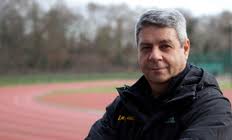
    Mike is the Performance and Rehabilitation Director of Sport Dimensions, a company he set-up, specialising in Speed, Power and Rehabilitation techniques and training.

    He is a qualified UEFA Coach, Strength & Conditioning Coach, Speed Coach and Rehabilitation Specialist. Mike works with a number professional football clubs in the UK, Europe and the USA, developing Speed and Conditioning programmes –

    Clients include among others, athletes from, Chelsea FC, Chelsea Academy, Bolton Wanderers Stoke City, Crystal Palace, Ipswich Town, Saracens, Bath, Harlequins, Celtic, Blackburn, QPR, Italian Football Federation, GB Athletics, GB Bobsleigh, as well as Winter and Summer Olympians.

    Mike runs coaching workshops and seminars on Soccer Speed and The Long Term Development of Young Footballers, in the UK, Europe and the USA and he also lectures at various universities on Biomechanics and injury prevention. He has developed a number of protocols for Performance and Rehabilitation which are being used successfully in professional teams and private practices.

    Mike has been working with Chelsea Football club for many years and has developed Speed and Conditioning programs for the Academy – youngsters aged from 9 to 21 years old.

    RUNNING

    Are you running properly?

    Poor running technique can lead to unnecessary injury risks if they are not picked up early.

    “Being able to run fast in straight lines only, or having the capacity to Lift very heavy weights in the gym, will not necessarily transfer onto the football pitch”

    Many recreational runners are placing undue strain on their bodies, as well as compromising their speed, by using the wrong technique. Conditioning coach Mike Antoniades has developed a unique methodology for teaching the correct and most efficient running technique to athletes and recreational users of all levels.

    Are you running efficiently?

    Some of the most obvious weaknesses I see in runners and joggers are:

    1. Bouncing up and down too much
    2. Over striding
    3. Not using their hamstrings enough
    4. Landing on feet too heavily
    5. Breaking action on landing
    6. Not using arms
    7. Twist midriff side to side while running
    8. The head and upper body are bent forward
    9. Jogging slower than you could walk!

    Most joggers and runners are biomechanically inefficient because their running technique is poor.

    They don’t use the necessary body parts efficiently so when they are supposed to be enjoying themselves they are instead suffering pain.

    Mike explains a few of the basics.

    What is football speed?

    Many coaches and trainers believe that speed is something you are born with rather than a skill you can develop. Genetics is a very important factor and does make a difference to the make up and shape of athletes and their capacity to become stronger and more powerful. But strength and power are only two components of speed. They will assist in how fast you can run in a straight line, but in a multi-directional sport like football, being able to tun fast in straight lines only, or having the capacity to lift very heavy weights in the gym, will not neoessarily transfer an to the football bitch in terms of speed.

    Football speed is a skill and just like any other skill it can be taught, it can be developed, and it can be improved through a systematic and progressive training approach.

    Coaches and parents of young footballers, although they have the best interests of their children at heart, are usually just copying training drills or methodologies that they hear about or see the professional teams doing and in many situations these are detrimentel to the football and physical development of the youngsters.

    Many professional football clubs have used specialist sprint coaches, whose background is track and field, to improve the speed of the players, but the biomechanics of straight line sprinting is different to the multi-directionar speed required in football. Practicing straight line sprinting continuously will improve a players conditioning, but it has very little functional benefit for a multi-directional sport like football.

    Why?

    Because full-out sprinting in a football game only makes up about one per cent of the total movement in a 90 minute game! You may ask, is the ability to run fast over 50 metres not important? Of course it is, but let’s put it into perspective.

    “Football is a multi-directional, explosive Sport where there is a change of movement every four seconds”.

    As I’ve said a couple of times already, Football is a multi-directional, explosive sport where there is a change of movement every four seconds. There is little benefit in football players spending too much time on drills which develop maximum straight line velocity when they would benefit more from shorter multi¬directional explosive training using the ball.

    So, focusing an football specific moverments and individual technical skills is far more beneficial to the development of the young footballer.

    FOOTBALL SPEED

    How do you develop football speed?

    In most football clubs whether at youth, amateur or professional level, there is no effective teaching of speed. There are many different ways of approaching the structure of speed training, but even today with all the modern coaching methodologies and available knowledge and research, speed training is coached as part of fitness and in many cases it is counterproductive to the development of football speed.

    No consideration is given to the relationship between functional movement, the neuromuscular system, the energy systems, the type of speed required for the sport, the effect of the training on young athletes, recovery periods and other influencing factors.

    Age is one of the most important factors. Coaches must remember that children are not mini adults and cannot train in the same way.

    Scientifically it has been proven that strength is determined by developing the muscular system. Endurance is deterrnined by the carcliovascular system.

    Speed, meanwhile, is determined by the nervous system and coordination.

    There are THREE KEY POINTS to remember when developing football speed:

    1. The optimal training period for developing speed
    2. Training the neuromuseular system, when and how can this be done?
    3. Training football-specific speed

    RUNNING FASTER

    So how can you run faster, more efficiently and avoid injury?

    The nervous, muscular, skeletal and cardiovascular systems of our body are all involved when we run. They all combine to create the neuromuscular and neuromechanical systems. We can improve the biomechanical movements for runners by teaching the body and the mind the correct motor patterns.

    When you want to change a movement in your body it needs to be stored in your muscle memory so you can repeat without thinking, particularly when you are tired. When you perform a motion the body sends messages to the brain in a certain sequence.

    To create a permanent map in your brain and nervous system you need to repeat this motion many times until it is ingrained in your muscles and your brain.

    1. The primary objective of motor learning is to train the Movement rather than the Muscle.
    2. Once we have taught the movement then improving the athletic performance of a runner is imperative in the pursuit of excellence and in injury prevention.
    3. The neuromuscular system then has to be stimulated to recruit and contract motor units simultaneously and to increase the strength of the contraction.

    Did you know?

    • 65% of footballers over the age of 12 are slower turning on one side than the on the other, by up to o,85 of a second.
    • Many young footballers can improve their speed and quickness just by correcting their running biomechanics.
    • Reactive speed can be improved by up to 3o% with the correct training in just four weeks.
    • If youngsters acquire the basic movement skills by the age of 13 then they will very rarely make professional footballers.

    Mike has also made a DVD called ‘How to coach soccer speed’

    Mike will be running a workshop ‘Multi-directional speed for all sports’ in Dublin on Saturday December 7 2013 –

    Venue: NDSL Academy (Oscar Traynor Road) D17

    Tickets: €25

    As part of the Coach Diary’s Youth Development workshops which are supported by Fingal County Council and Dublin City Sports Network.

    See Mike’s website here The Running School

    BOOK NOW 

    ==========

    I always like to hear your opinions. Please comment below or email me info@thecoachdiary.com If, you don’t have anything to add then please forward this on to a friend. Thanks for reading. I’m also on twitter @Coachdiary
  • 15 of the best blogs on preventing sports injuries in kids by Summer Nanny.com

    15 of the best blogs on preventing sports injuries in kids by Summer Nanny.com

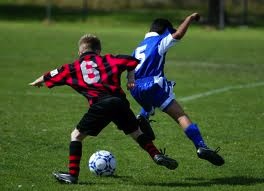
    Emma sent me this post from summernanny.com it’s certainly relevant to the coming weeks in Irish kids football; looking at some of the fixtures of u11s kids, due to the bad weather we know have a back-log of games. I noticed one team having 5 games this week and I’m talking about 10 and 11 year olds. This will most likely be the case for the next month for some of these teams. I wonder who would be liable if a child was to suffer injuries due to this amount of games, which could be potential 15/20 in one month?

    As kids become more active in high level sports, they are also suffering from far more injuries related to those sports than ever before. As a parent, you are not helpless when it comes to injuries and your kids.

    Make sure that you provide your kids with high quality, well-fitting equipment to play in.

    Take opportunities to educate yourself about common injuries and how they can be prevented by using the right safety equipment and by your child taking the right preventative measures. Many injuries can be prevented simple by properly warming up and stretching. Find out more information for preventing sports injuries in the following 15 blog entries.

    Often kids don’t want to wear protective gear because they think other kids will make fun of them or that it will affect how well they play.

    Common Injuries in Kids

    The following entries go over the most common sports injuries in kids.  Just being aware of what can happen to a child while playing a sport can make you more aware of different symptoms to look for.  Do you know the signs of a concussion?  Concussions can be fatal if left untreated or ignored.  Children, unlike adult athletes, are still growing and often suffer growth plate related injuries.  For details on these common sports injuries and more, read the next five blog posts.

    Common injury areasUse the Right Equipment

    Many injuries can be prevented just by using the right equipment, such as wearing protective eyewear and using mouth guards.  By wearing the correct helmet, a serious brain injury can be prevented if a child falls off a bike or gets tackled on a football field.

    Often kids don’t want to wear protective gear because they think other kids will make fun of them or that it will affect how well they play.  If the equipment fits them well, however, it should not affect how they play since it was designed to keep them safe during activity.

    For more information on how equipment can prevent injuries, read through these five blog articles.

    How to Prevent Injuries

    As a parent, you can actively help prevent your child from getting injured.  Make sure that the rules are explained in detail to him.  Make sure he understands the rules and knows how to use the equipment safely.  Learn how to prevent injuries by reading through these five blogs entries.

    By Summer Nanny blog

  • Killarney Athletic FC U11 Development Weekend 2013

    Killarney Athletic FC U11 Development Weekend 2013

    Killarney Athletic  are hosting a development style Festival on Friday 17th to Sunday 19th May. This even which is not a typical tournament but putting more emphasis on player development and allowing kids to play without the added pressures of adults and coaches screaming from the sidelines.

    To learn you first have to make mistakes

    The game will 30 minutes long of 9 a side football, with teams playing 5 games over the weekend.  Robin O’Day of Killarney Athletic said,

    “This is about clubs coming and playing a minimum of 5 matches each & giving everyone of their players plenty of game time in a fun safe environment. We have clubs coming from 9 different schoolboys leagues, too many potentially good young players are being destroyed at a young age due to so many coaches win at all cost and instant success philosophy. This philosophy does not encourage players to try things on the pitch hence a fear of doing the wrong thing on the pitch seriously diminishes young players confidence. They want the parents and coaches to allow the kids to play and make mistakes.

    • Let them play
    • Let them try things
    • Let them make mistakes
    • Let them learn from mistakes

    The weekend is an ideal scenario for coaches to bring teams to play in uncompetitive situations and play with the freedom that should be done at this age. To learn you first have to make mistakes.

    If you want to get involved with this Festival contact Robin O Day at Killarney Athletic

  • AC Milan ‘The Future’ Academy

    AC Milan ‘The Future’ Academy

    The complete movie of ‘thefuture’, the exclusive documentary on the Milan youth academy. The documentary takes an indepth look inside the Milan Academy. I hope you enjoy it!

    By Milan Channel


  • Irish, Spanish, Dutch, English and Scottish

    Irish, Spanish, Dutch, English and Scottish

    St Kevin’s Boys Under 13 Academy Cup  takes place over the Easter weekend March 29th – 31st – inclusive at the Club Complex at Shanowen Road.

    Press Release 

    This years line up promises to be the most high quality tournament to date with two times winners and current holders Arsenal F C coming to defend their title against last years runners up West Bromwich Albion F C.

    This year for the first time we are delighted to have two teams from two of the most respected and successful countries in Europe – Spain and Holland. We are delighted that RCD Espanyol from Spain and Ado Den Haag from Holland have accepted our invitation to compete.

    The line up is completed by Celtic F C who were very impressive in their 1st appearance here last year and our own under 13 Premier League team.

    The teams are divided into two groups:

    • Group 1 : Celtic, St Kevin’s Boys & Espanyol
    • Group 2: Arsenal F C, West Bromwich Albion F C & Ado Den Haag.

    Fixtures

    Friday

    Game 1. Friday March 29th Group 1 at 10.00am St Kevin’s Boys V Espanyol

    Game 2. Friday March 29th Group 2 at 11.30am West Bromwich Albion V Ado Den Haag

    Game 3. Friday March 29th Group 1 at 4.00pm Espanyol V Celtic

    Game 4. Friday March 29th Group 2 at 5.30pm Arsenal V Ado Den Haag

    Saturday

    Game 5. Saturday March 30th Group 1 at 10.00am St Kevin’s Boys V Celtic

    Game 6. Saturday March 30th Group 2 at 11.30am Arsenal V West Bromwich Albion

    Game 7. Saturday March 30th Semi Final at 4.00pm Winner Group 1 V Runner Up Group 2

    Game 8. Saturday March 30th Semi Final at 5.30pm Winner Group 2 V Runner Up Group 1

    Sunday

    Game 9. Sunday March 31st 5th-6th Play off at 10.00am

    Game 10.Sunday March 31st 3rd-4th Play off at 12 noon

    Game 11.Sunday March 31st Final at 1.30pm

    LIVE ON RADIO 

    Near FM are going to do a live broadcast from Shanowen road on sat morning. They will broadcast the match between St kevins boys vs. Celtic Fc at 10.00.You can catch them on frequency 90.3 or click on http://nearfm.ie/listen-online/ to hear the game from any part of the world – big shout out to the guys form NEAR FM who cover the tournament for us every year so thanks to all at the station.

    For further information contact St. Kevins Boys FC

  • Post – Future of Youth Development in Irish Football

    Post – Future of Youth Development in Irish Football

    Thanks to all you attended the talk the other night, in particular the speakers Mitch Whitty: NDSL Playing philosophy and changing the mentality, Austin Speight: Developing level of coaching at Pro clubs UK and France, Michael Lynam: Positive Coaching for Children/Young Players and Dermott Dalton: Horst Wein’s – Optimal Development Model.
     

    The Clubs

    We had coaches from Aungier Celtic, Bohemians FC, Cabinteely FC, Castleknock Celtic FC, Crumlin United, Dunboyne AFC, DDLS referees, NDSL Academy, Premier Skills Ireland, Lourdes Celtic FC, Newbridge Town FC, Portlaoise AFC, Shelbourne FC, Trim Celtic AFC, Ratoath Harps, including journalist from the Times, The Herald and The Star.

    What was said

    Some really good points made:

    • Summer football.
    • All year around football.
    • Non competitive until 12s.
    • Introduction of ‘Funino’ 3v3 and 5v5 throughout Ireland.
    • Clubs to put pressure on SFAI and FAI to implement change ASAP.
    • Regular workshops to implement change.
    • Child Welfare mandatory courses for all coaches (Like the UK).
    • Parent education should be mandatory.
    • Bigger involvement of soccer in both primary and secondary Schools.
    • Much more involvement from the governing body ‘the FAI’ within Grassroots structure.
    • Pre-season talk with players and referees.
    • The converted to spread the word amongst fellow coaches and implement changes within their clubs.

    Your Suggestions prior to talk: 

    • More Futsal games for skill development rather competitive 5v5 games for winning.
    • Change in Coaching Methods with an emphasis on technique and insist on all Coaches/Managers attending coaching courses before being allowed coach kids.
    • Smaller pitches, smaller goals.
    • No league tables until aged 14 – play on small pitches until 13/14.
    • We must concentrate on developing our young players technically from 5/6 years of age.
    • Non-Competitive football until u14. Bigger focus on Technical needs of the players from u5s to u14s.
    • Small sided games is the way forward up to u12 level. Should be non competitive at this level.
    • Start 11 aside football at u14s.
    • Competition to start at u13s.
    • Introduction of a proper national technical program.
    • Remove the SFAI from directing football.
    • Allow more influence from other coaching groups like Coerver.
    • 7v7 until age u12s, move to 11v11 at u13s introduce competition at u14s.
    • Roll out changes across the country.
    • In our league NECSL age 12 should is currently 11 a side, will be pushing again to keep it at 9 a side.
    • 9aside until u13 with size four ball.
    • Competitive soccer to be introduced from under 14s upwards and a bigger emphasis towards concepts such as ”FUNino” also more F.A.I involvement in the D.D.S.L
    • No moving clubs before the age of 12
    • Smaller pitches for younger ages – more touches, so more football

    Let me know if I have forgotten any, thanks!

    Conclusion

    They are just some of the questions and ideas brought up by coaches from the clubs listed above. Although the turn out of just 35 coaches was disappointing the content from the speakers and questions from the floor was not. I hope to run these workshops over the coming months and with the help of you guys, we can continue to educate those who have yet to follow the change we so desperately want.

    ===================================

    The Winners of the prizes are as follows: 

    Inside Soccer Bootroom+ (I year subscription) – John Farrell – Ratoath Harps

    Inside Soccer Bootroom+ (I year subscription) – Fran Tyrell – Dunboyne AFC

    Inside Soccer Bootroom+ (I year subscription) – Robbie Connell – Trim Celtic AFC

    Inside Soccer Annual Convention 2011 (I year subscription) – Eoin Feely – Unattached

    Inside Soccer Annual Convention 2011 (I year subscription) – Keane Murray – Aungier Celtic

    Coerver Coaching workshop – May18/19th – Alan Byrne – Lourdes Celtic

    Coachdiary Workshop (tbc) – Dermot O’Connor – Cabinteely FC

    And a 20% discount for everyone else before April 15th – use code TCD20

    Thanks to JAKO.IE for sponsoring the event – INSIDESOCCER.COM and COERVER COACHING IRELAND for the prizes and you for participating.

    Next Talk: May 2013

    The Future of Youth Development in Irish Football

  • ‘Every Boy’s Dream’

    ‘Every Boy’s Dream’

    This is an article from Blueprint for football:

    “When fans look at their club’s academy, they tend to look at results – both on the pitch and in players developed for their first team – to determine whether it is being successful.  And, obviously, those are important metrics.  Yet there is a lot more to an academy’s success than that.  How they handle the kids placed in their care, for instance.  Or whether they are sacrificing long term development at the altar of short term results”

    The determination to look at these factors was one of the reasons that drove Chris Green to write the book ‘Every Boy’s Dream’ back in 2010; an analytical look at the academy structure in England and whether this was working.

    The full interview with Chris can be found here.  Warning: it is a long piece but I’m sure that you will love it.

    by 

    If you’ve read the book and enjoy that kind of analysis on youth football, then you will enjoy Blueprint for Football’s own bi-weekly newsletter.  Blueprint for Football can also be followed on Facebook and Twitter.